Studio Recording vs Live Recording: Which Is Right for You?
Studio recording and live recording serve different purposes. Learn the difference and discover which approach works best for your next project, performance or event.
Not every recording needs to happen in a studio.
And not every live performance should simply disappear when the event ends.
Sometimes you need a controlled studio environment.
Other times, you need to capture the energy of an actual performance.
So what's the difference?
WHAT IS STUDIO RECORDING?
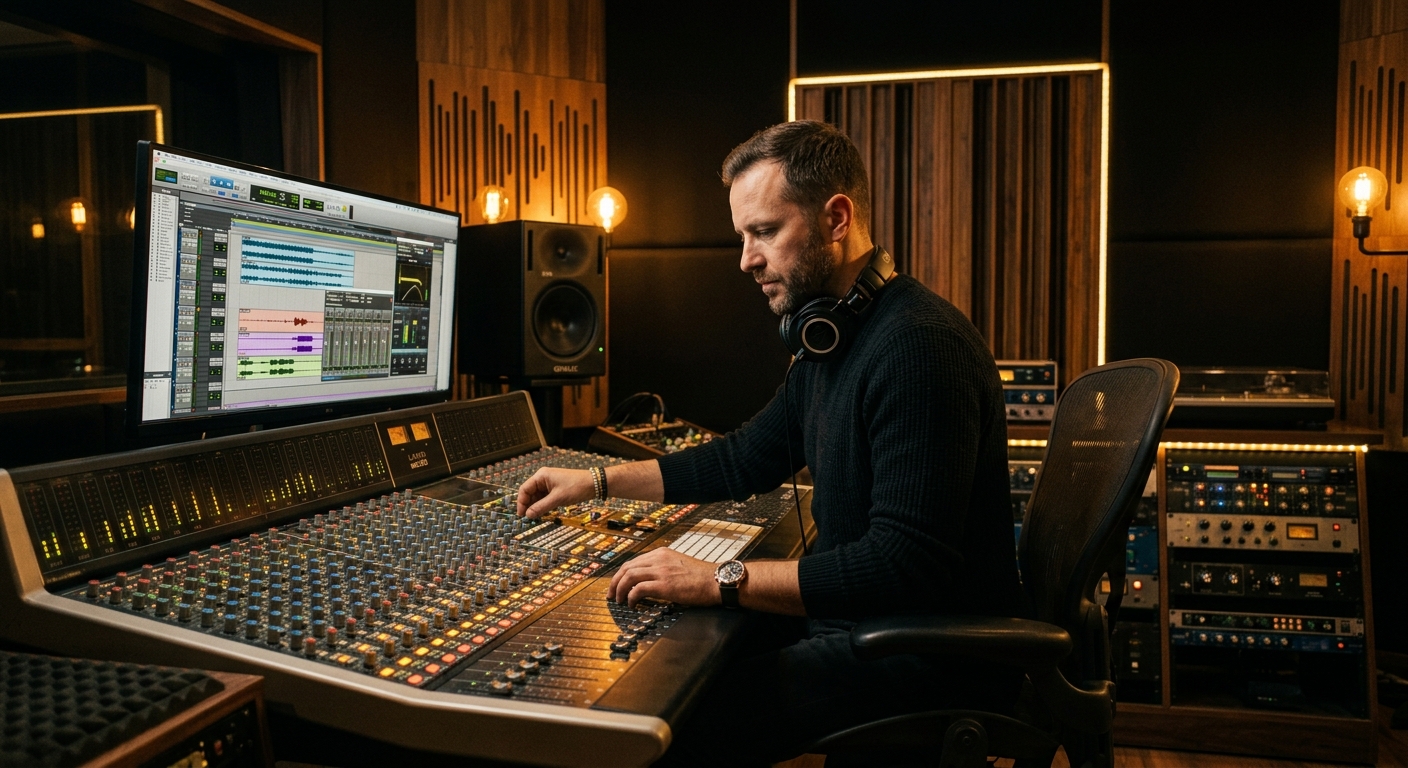
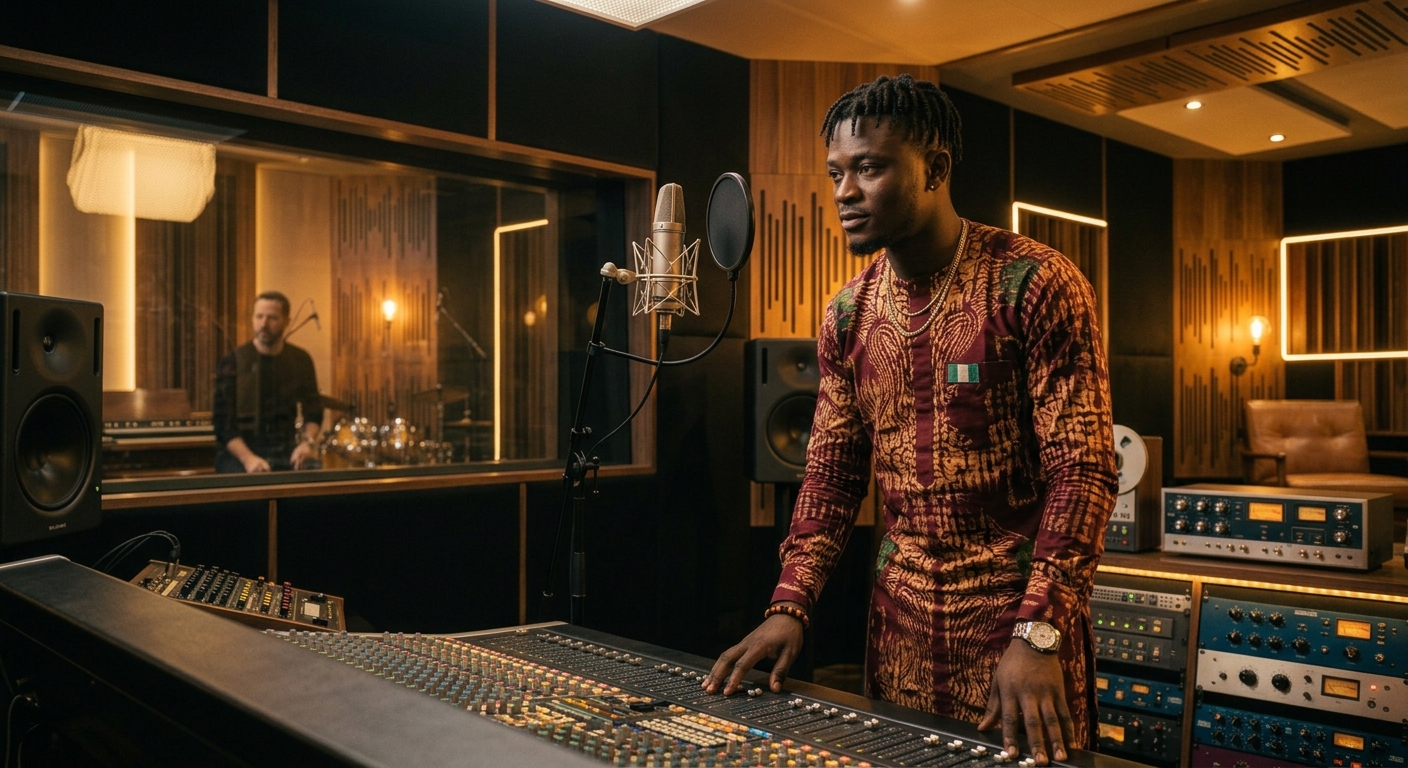
Studio recording takes place in a controlled environment designed specifically for recording.
This gives you greater control over:
Microphone placement
Room acoustics
Performance
Instrumentation
Editing
Vocal comping
Overdubs
Production
For an artist recording a single, EP or album, this level of control can be extremely valuable.
You can record the lead vocal, come back for harmonies and experiment with different arrangements without the pressure of a live audience.
WHAT IS LIVE RECORDING?
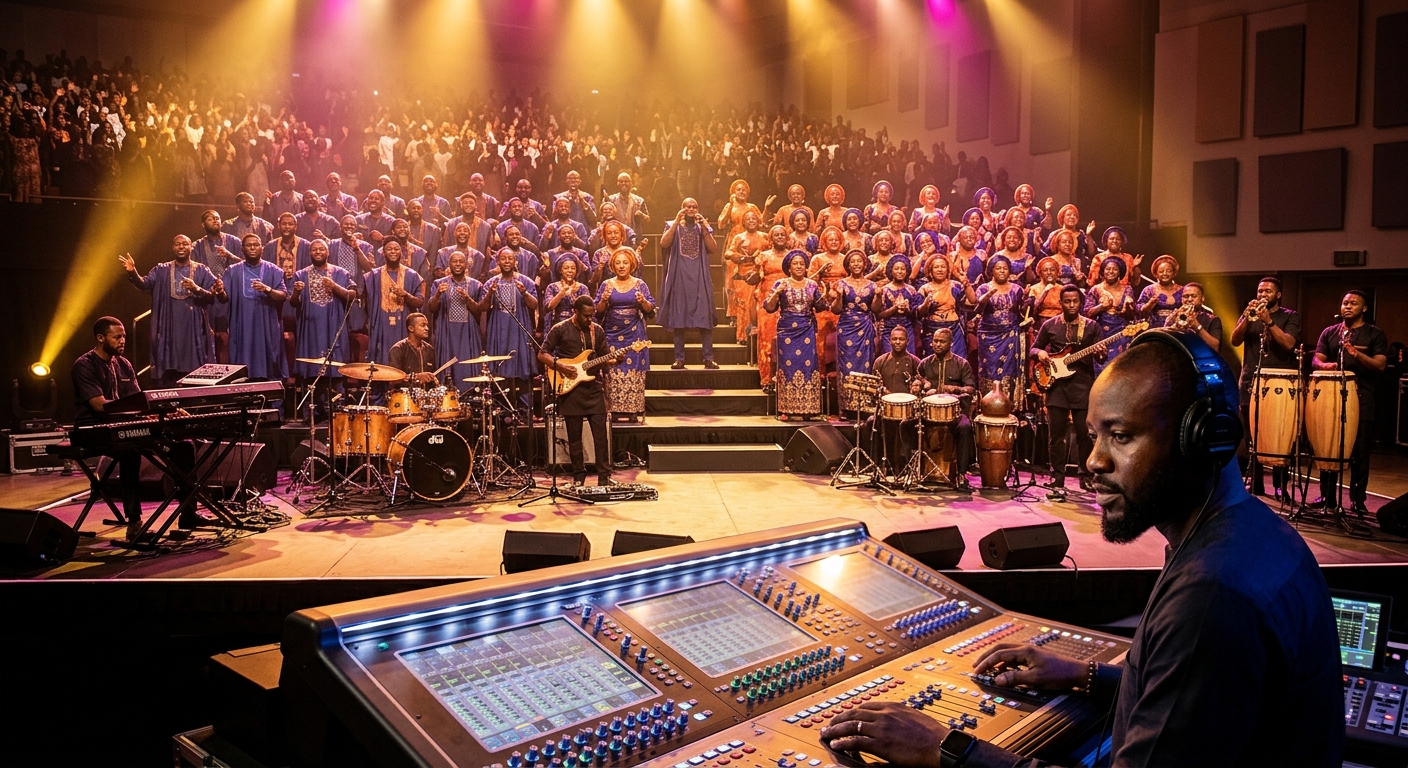
Live recording captures a performance as it actually happens.
This could be:
A concert
Church service
Choir performance
Worship session
Corporate event
Band performance
Acoustic session
Live showcase
Instead of recreating the performance later, you capture the actual moment.
And that's the biggest advantage.
LIVE ENERGY CAN'T ALWAYS BE RECREATED
There's something different about hearing an audience respond to a performer.
The interaction.
The atmosphere.
The spontaneous moments.
The imperfections.
The energy.
Those things can become part of the recording itself.
For some projects, that authenticity is more valuable than perfect studio control.
WHAT IS LIVE MULTI-TRACK RECORDING?
Instead of recording the entire performance as one stereo signal, a live multi-track setup captures multiple channels separately.
For example:
Lead vocal
Background vocals
Kick
Snare
Toms
Overheads
Bass
Keys
Guitar
Additional instruments
This gives the engineer much more control during post-production.
The performance happened live—but the individual elements can still be mixed afterward.
WHY WOULD YOU WANT MULTI-TRACK RECORDING?
Imagine your choir performs an incredible song.
The performance is powerful.
But the lead vocal is slightly too loud.
The keyboard is masking the vocals.
The drums need more presence.
With a properly captured multi-track recording, those elements can potentially be addressed during mixing.
You preserve the live performance while retaining greater control over the final result.
WHAT ABOUT LIVE MIXING?
Live mixing happens during the performance.
The engineer balances the sound in real time so that the audience hears a coherent mix.
Live mixing is especially important when multiple performers and instruments are involved.
The goal is to make sure the audience can experience the performance clearly and comfortably.
WHICH ONE SHOULD YOU CHOOSE?
Choose studio recording when you need:
Maximum control
Detailed production
Multiple takes
Vocal editing
Overdubs
A polished commercial release
Choose live recording when you want:
Authentic performance energy
Concert documentation
Choir or worship recordings
Event recordings
Audience interaction
A genuine live experience
And choose live multi-track recording when you want the energy of a live performance without giving up the flexibility of detailed post-production.
YOU DON'T ALWAYS HAVE TO CHOOSE ONE
Some artists use both.
They may record their main project in a studio and later create live versions.
A choir might rehearse and record certain parts in a controlled environment, then capture a full live performance.
A band may produce a studio album and later release a live session.
Different approaches can serve different creative goals.
FINAL THOUGHT
The question isn't:
"Which recording method is better?"
The better question is:
"Which recording method is right for this project?"
Studio recording gives you control.
Live recording gives you atmosphere.
Multi-track live recording can give you both performance energy and post-production flexibility.
Planning a concert, choir session, worship recording or live performance?
D-Vibes Studios provides live multi-track recording and live audio services designed to help you capture the moment—and preserve it properly.
Make the session count
Ready to record?
Plan your session, bring your song, and let the studio handle the technical side.
Start a conversationD-Vibes Studios
D-Vibes Studios editorial team · Production, recording, business & craft.